
American Soft Tri-Fold vs Hard Tri-Fold: Which Tonneau Cover Design Fits Your Truck Best?
When you're deciding on a tri-fold tonneau cover, the soft vs hard tonneau question comes up fast. Both designs protect your cargo and improve your truck's fuel economy, but they handle daily use very differently.
We build both styles at American Tonneau, and we've seen how each one fits different driving habits. A soft tri-fold uses vinyl panels over an aluminum frame, giving you a lighter cover that's easier to remove when you need full bed access. A hard tri-fold uses rigid panels — fiberglass, aluminum, or composite — that lock down tighter and stand up to heavier weather and break-in attempts. The right choice depends on what you haul, how often you open the bed, and how much security you need when you park.
Weight and Ease of Handling
A soft tri-fold typically weighs 40 to 60 pounds, while a hard tri-fold runs 70 to 100 pounds depending on the panel material. That difference shows up every time you fold the cover open or lift it off the rails.
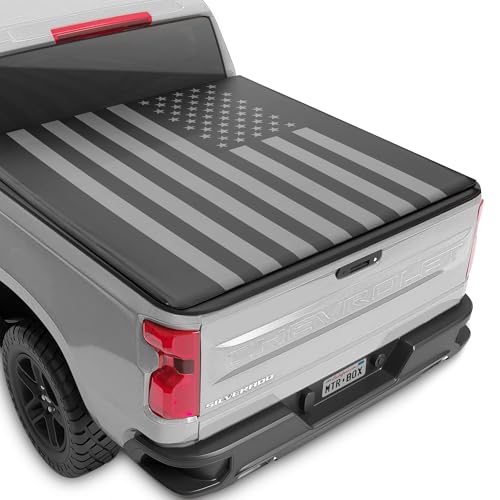
If you remove your cover weekly — swapping between covered commutes and open-bed hauling — a soft design is easier to manage solo. The American Tonneau 66110 Soft Tri-Fold Cover folds against the cab in seconds without tools, and you can pull the whole assembly off the rails by yourself when you need the full bed. A hard cover delivers better security and a cleaner finished look, but plan on a second pair of hands if you need to remove it often.
Security and Weather Resistance
Hard tri-folds lock at the tailgate with a keyed system, and the rigid panels resist prying far better than vinyl. If you park in high-traffic areas or leave tools in the bed overnight, a hard cover is the stronger deterrent.
Soft covers seal well against rain and dust, but the vinyl can stretch over time and the hook-and-loop closures don’t stop a determined thief. The American Hard Tri-Fold Tonneau Cover uses reinforced panel edges and a central locking latch that secures all three sections at once, keeping cargo out of sight and harder to reach. You’ll still want to avoid leaving high-value items in the bed long-term, but a hard cover adds a real barrier that a soft design can’t match.
Installation and Fit
Both styles clamp onto the truck bed rails without drilling, and most installs finish in 20 to 30 minutes. The difference is in the frame alignment.
Soft tri-folds use a lighter rail system that adjusts easily to fit beds with minor variations in width or stake pocket placement. Hard covers require more precise rail spacing because the rigid panels won’t flex to compensate for small gaps. If your truck bed has aftermarket accessories like a bed liner with raised edges, check the cover’s clearance specs before ordering — hard panels sit closer to the bed floor and can bind against taller liners.

Long-Term Durability
Panel Lifespan
Vinyl soft covers fade and crack after five to seven years of sun exposure, especially in hot climates. The stitching along the panel seams is the first place to wear, and once a seam splits, water seeps through.
Hard panels outlast vinyl by a wide margin. Aluminum and composite materials resist UV damage and hold their shape through freeze-thaw cycles. The hinges and latches on a hard cover still need occasional lubrication, but the panels themselves can go a decade or more before they need replacement.
Frame and Hardware
Both styles use aluminum frames and stainless steel clamps, so the structural components hold up equally well. The real maintenance difference is the panel surface — soft covers need more frequent cleaning to prevent mildew in the fold creases, while hard covers just need a rinse and wax like the rest of your truck’s paint.
Cost and Value
Soft tri-folds start around $300 to $400, while hard covers run $500 to $800 depending on the panel material and finish. That upfront gap narrows over time if you factor in replacement costs.
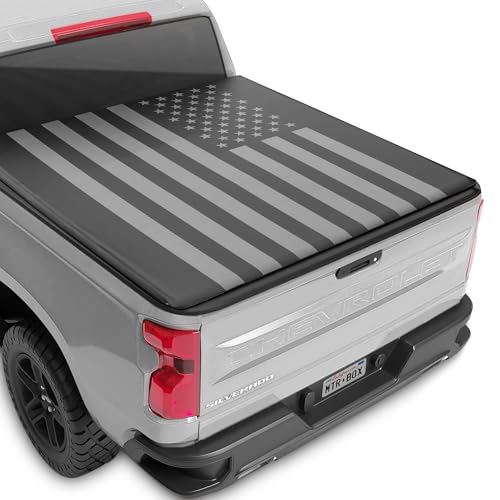
If you plan to keep the cover for just a few years or you’re working with a tight budget, a soft design delivers solid protection without a big initial spend. For long-term ownership, a hard cover’s durability and higher resale value can offset the higher price. The American Soft Tri-Fold Tonneau Cover is a strong choice if you prioritize ease of use and lighter weight, while a hard model is worth the extra cost if security and longevity matter more.
Matching the Design to How You Use Your Truck
The soft vs hard tonneau decision comes down to how you balance convenience, security, and budget. A soft tri-fold is lighter and easier to remove, making it the better fit if you frequently haul tall cargo or swap between covered and open bed use. A hard tri-fold locks tighter, lasts longer, and stands up to harsh weather, which matters more if you leave tools in the bed or park in exposed areas.
We recommend choosing based on your daily routine rather than trying to cover every possible use case. If you’re still weighing options, consider how often you’ll actually fold the cover open, how much you value security when you walk away from the truck, and whether the upfront cost difference fits your budget for the long-term durability you’ll get in return.
Common Questions About Soft and Hard Tri-Fold Covers
Yes, both designs let you fold the front section against the cab and drive with the rear two-thirds of the bed exposed. Secure the folded section with the built-in straps so it doesn't shift at highway speeds.
Driving with the cover fully open and folded against the cab is safe for short trips, but wind resistance increases and the cover can vibrate. If you need regular access to tall cargo, consider a roll-up or retractable design instead.
Hard tri-folds shed snow more easily because the smooth panel surface lets it slide off as you drive. Soft covers collect snow in the fold creases, and the vinyl can stiffen in freezing temperatures.
If you live in a heavy snow area, brush off the cover before folding it open to avoid cracking the vinyl or straining the hinges on a hard model. Neither style is designed to support heavy snow loads, so clear the bed after major storms.
Measure your bed length from the inside of the bulkhead to the inside of the tailgate — standard sizes are 5.5, 6.5, and 8 feet. Check for bed rail caps, toolboxes, or bed extenders that might interfere with the cover's clamp system.
Most tri-folds work with spray-in and drop-in bed liners, but thick rail caps can prevent the clamps from seating properly. If you have a tonneau cover rail system already installed, verify that the new cover's clamps are compatible.
Both styles reduce drag compared to an open bed, and real-world fuel savings are similar — usually one to two miles per gallon on the highway. Hard covers have a slightly more aerodynamic profile because the panels sit flush, but the difference is marginal.
The bigger fuel impact comes from keeping the tailgate up and the bed covered, regardless of which cover style you choose. If you're deciding on soft vs hard tonneau designs, base it on security and durability instead of expecting a meaningful difference in gas mileage.
Yes, both types install without help, though a second person makes alignment easier. The clamps attach to the bed rails with hand tools, and the whole process takes 20 to 30 minutes.
Hard covers are heavier, so you'll want assistance when lifting the assembled cover onto the rails for the first time. Once it's clamped down, opening and closing a hard tri-fold is just as easy as a soft one.
No, clamp-on tonneau covers don't void your factory warranty because they don't require drilling or permanent modifications. The clamps grip the bed rails without damaging the paint.
If you ever remove the cover, the rails return to stock condition. Just keep the installation instructions and hardware in case you need to show the dealer that the cover was installed per the manufacturer's specs.